
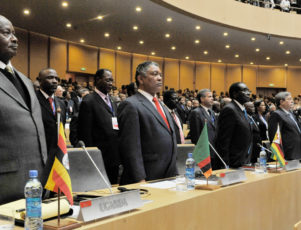
The recent escalation known as the 2026 Iran War, involving Iran and several countries of the Arabian Peninsula, has prompted a wide range of reactions from African leaders. Governments across the continent have responded with statements reflecting their diplomatic priorities, strategic alliances, and concerns about the broader consequences of the conflict.
Support for Gulf States
Several African governments have openly expressed solidarity with Arab countries in the Gulf following Iranian strikes targeting states in the region.
Morocco strongly condemned the attacks and reaffirmed its support for what it described as “brotherly Arab states.” King Mohammed VI reportedly communicated with leaders from the United Arab Emirates, Qatar, Bahrain and Saudi Arabia to reiterate Morocco’s support for their sovereignty and security. Morocco’s reaction reflects its long-standing diplomatic and economic ties with Gulf monarchies.
Algeria also surprised some observers by aligning itself with the Gulf countries despite historically maintaining relatively cordial relations with Iran. Algerian authorities condemned attacks against the sovereignty of Arab states and emphasized the need to preserve regional stability.
Calls for Restraint and Mediation
Other African leaders have taken a more cautious diplomatic approach, emphasizing dialogue rather than alignment.
South African President Cyril Ramaphosa called for restraint and respect for international law while warning that a prolonged conflict could destabilize global supply chains and energy markets. South Africa also indicated that it could support mediation efforts if the parties involved requested it. This position is consistent with Pretoria’s broader foreign policy, which traditionally favors diplomacy and negotiated solutions.
Similarly, leaders in several African countries have encouraged all sides to avoid further escalation and to prioritize diplomatic negotiations.
The African Union’s Position
At the continental level, the African Union also reacted to the escalation. The organization condemned attacks against the sovereignty of Gulf states while simultaneously urging all parties to de-escalate tensions.
The African Union stressed the importance of dialogue and international cooperation to prevent the conflict from spreading further across the region and affecting global stability.
Economic Concerns Across the Continent
Beyond diplomatic positioning, African leaders are increasingly worried about the economic consequences of the conflict.
Many African economies depend heavily on imported energy and international shipping routes. Rising tensions in the Middle East could lead to higher oil prices and disruptions in maritime trade, particularly if key routes such as the Strait of Hormuz are affected.
South Africa has already warned that instability in the region could place additional pressure on African supply chains and increase inflation in several economies.
A Continent Navigating Complex Diplomacy
The responses from African leaders illustrate the continent’s complex diplomatic positioning in global conflicts. While some governments have clearly sided with Gulf partners, others prefer neutrality and mediation.
Despite these differences, most African leaders share a common concern: prolonged instability in the Middle East could have far-reaching geopolitical and economic consequences for Africa and the wider world.