startup
Tag Archive

African Agritech Startups Reshape How the Gulf Secures Its Food Supply

Comments (0) Business, Featured

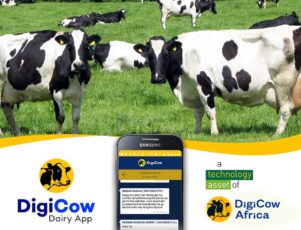
Kenyan smallholder farmer using mobile agritech platform in field

A Strategic Rethink of Food Import Dependency

Gulf states import between 80 and 90 percent of their food, according to the Food and Agriculture Organization of the United Nations, making them acutely sensitive to disruptions in global supply chains. The pressures of recent years, from the COVID-19 pandemic to the war in Ukraine and its cascading effects on grain exports, have pushed food security to the top of policy agendas in Riyadh, Abu Dhabi and Doha. Traditional responses centered on securing land abroad or locking in long-term commodity contracts with established agricultural exporters. That approach is now giving way to technology-driven partnerships with African agritech companies.

Sovereign investors and state food security agencies across the Gulf Cooperation Council are increasingly directing attention toward African agritech, where startups are building digital infrastructure for farm finance and supply-chain traceability. The African Development Bank estimates that the financing gap for smallholder farmers across Africa exceeds 100 billion dollars annually, a structural deficit that digital platforms are beginning to address by connecting producers to credit and direct market access. For Gulf importers seeking resilient supply chains, these platforms offer not just commodity access but embedded relationships with agricultural ecosystems that are still expanding.

How African Founders Are Positioning Their Companies

The agritech sector across sub-Saharan and North Africa has expanded substantially over the past decade. Startups operating in Kenya, Nigeria, Morocco and Ghana have built platforms that aggregate smallholder supply, deliver mobile-based advisory services, and link farmers directly to export buyers through digitized logistics. African Development Bank data on agricultural finance indicates that digital tools measurably improve access to credit and reduce post-harvest losses in the markets where they have scaled. These are precisely the metrics that attract Gulf food security planners looking for supply partners capable of guaranteeing volume and provenance.

What is changing now is the nature of the capital entering the sector. Gulf sovereign wealth funds have historically invested in African infrastructure, real estate and energy. Their move toward agritech represents a more nuanced calculation: rather than owning farmland outright, they are backing the digital layers that sit above it, funding platforms that improve productivity and logistics without requiring direct land management. For African founders, this shift carries measurable commercial consequences. Access to Gulf distribution networks and government procurement contracts can transform a regional platform into a continental export hub.

Morocco offers a useful illustration of how this dynamic plays out in practice. Its position as a net agricultural exporter with a developed agro-processing sector, anchored by the government’s long-running Green Morocco Plan, has made it an early point of engagement for Gulf food investors. Moroccan producer networks supplying citrus, tomatoes and olives to Gulf markets have progressively adopted traceability and quality management systems, partly in response to import standards set by Gulf state food agencies. The digital infrastructure underlying that compliance was largely built by domestic and pan-African technology firms, not external contractors.

Capital and Governance: Data Sovereignty in Africa-Gulf Agritech Partnerships

The economic logic of these partnerships is clear enough. Less obvious, but equally significant, are the governance questions they carry. When a Gulf sovereign fund takes a stake in an African agritech platform, it acquires both a financial interest and a degree of influence over how that platform develops its services, sets pricing and manages farmer data. African founders and cooperative leaders are increasingly aware of this dimension. Some are structuring deals with explicit protections for local decision-making and data sovereignty, framing those clauses not as obstacles to investment but as conditions for long-term sustainability.

The African Continental Free Trade Area, which entered its operational phase in 2021, adds another layer of opportunity to this equation. As intra-African trade in agricultural goods deepens, the agritech platforms being built today may serve as the connective tissue of a new regional food system, one that links producers in East Africa to processors in West Africa and export hubs in North Africa before reaching Gulf markets. Gulf investment that funds this infrastructure now could gain privileged access to supply chains considerably larger in scale within a decade.

For smallholder cooperatives, the value of these partnerships ultimately depends on terms. Price transparency and data access rights are as consequential as the headline investment figure. Several African agritech companies have publicly emphasized co-ownership models and revenue-sharing structures as a way to distinguish their approach from platforms that capture data without redistributing value. Whether Gulf investors accept those terms at scale will be a defining question for the sector over the next few years.

The trajectory of African agritech and Gulf food security is, in the end, a story about two sets of actors each managing structural vulnerabilities through technology and negotiated partnership. African founders and their farmer networks are building systems designed to outlast any single investor relationship. Gulf food security agencies are seeking supply-chain resilience that no single commodity contract can provide. Where those interests align with equitable terms, the partnerships forming now may prove among the most durable economic ties linking the two regions.

Read more

Algeria: A “Start-Up Nation” with Global Aspirations

Comments (0) Politics

Algeria, traditionally known for its rich history and vast natural resources, is increasingly being recognized as a burgeoning “start-up nation.” This North African country, with a young and tech-savvy population, is making strides towards establishing itself as a hub for innovation and entrepreneurship, aiming to leave a significant footprint on the global digital economy.

The Current Landscape

Algeria’s start-up ecosystem is still in its nascent stages, yet it shows immense promise. The government, realizing the potential of digital transformation, has been instrumental in fostering a conducive environment for start-ups. Initiatives like the National Startup Fund, established to finance innovative projects, and the implementation of the “Start-up Act,” which provides legal and financial support to young entrepreneurs, are pivotal in this journey.

The country’s youthful demographic is a key asset. With over 70% of the population under the age of 30, Algeria boasts a large, dynamic workforce eager to embrace new technologies and innovation. This demographic dividend, combined with increasing internet penetration and mobile usage, sets the stage for a thriving digital economy.

Innovative Projects and Sectors

Algerian start-ups are making waves across various sectors. In tech, there are burgeoning developments in AI, fintech, e-commerce, and renewable energy technologies. Notable examples include TemTem, a successful ride-hailing app, and Djazair Ta3mal, an online platform helping Algerians enhance their employability.

The agricultural sector, integral to the Algerian economy, is also seeing a digital overhaul. Start-ups are leveraging technology to improve agricultural productivity and sustainability, addressing challenges such as water scarcity and food security.

The Future Outlook

The future looks bright for Algeria’s “start-up nation” vision. The government’s increasing focus on digitization and economic diversification, away from oil dependency, signals a commitment to nurturing the start-up ecosystem. Moreover, the growing interest from international investors and venture capitalists in African tech start-ups could bode well for Algeria.

Advantages and Opportunities

Algeria’s strategic location as a gateway between Africa and Europe, combined with its large, young, and increasingly well-educated workforce, presents significant advantages. The country’s rich cultural heritage and diverse landscapes also offer untapped potential in sectors like tourism and cultural industries.

Furthermore, the government’s push towards enhancing digital infrastructure and the gradual shift in societal attitudes towards entrepreneurship are creating a fertile ground for innovation and business growth.

Challenges and Problems

However, the journey is not without its challenges. Bureaucracy, regulatory hurdles, and limited access to funding remain significant obstacles for many start-ups. Additionally, while the government has shown support, more consistent policies and effective implementation are needed to sustain long-term growth.

The education system, though improving, still needs to align more closely with the evolving demands of the digital economy. Bridging the skills gap and fostering a culture of innovation and critical thinking is crucial for the sustainable development of the start-up ecosystem.

Not Just a Dream but an Evolving Reality

Algeria’s aspirations to become a “start-up nation” reflect a bold and forward-thinking approach to economic development. While there are challenges to overcome, the country’s advantages, such as its young population, strategic location, and evolving digital landscape, provide a strong foundation for growth. With continued government support, international collaboration, and an emphasis on education and skills development, Algeria is well-positioned to realize its aspirations on the global stage. The nation’s journey towards becoming a hub of innovation and entrepreneurship is not just a dream but an evolving reality, paving the way for a vibrant and diversified economy.

Photos : israelvalley.com / jeuneafrique.com

Read more

Innovation and flexibility allowed MENA startups to raise over $1 billion in 2020

Comments (0) Business, Featured

Innovation and flexibility allowed North African and Middle Eastern startups to raise over $1 billion in 2020

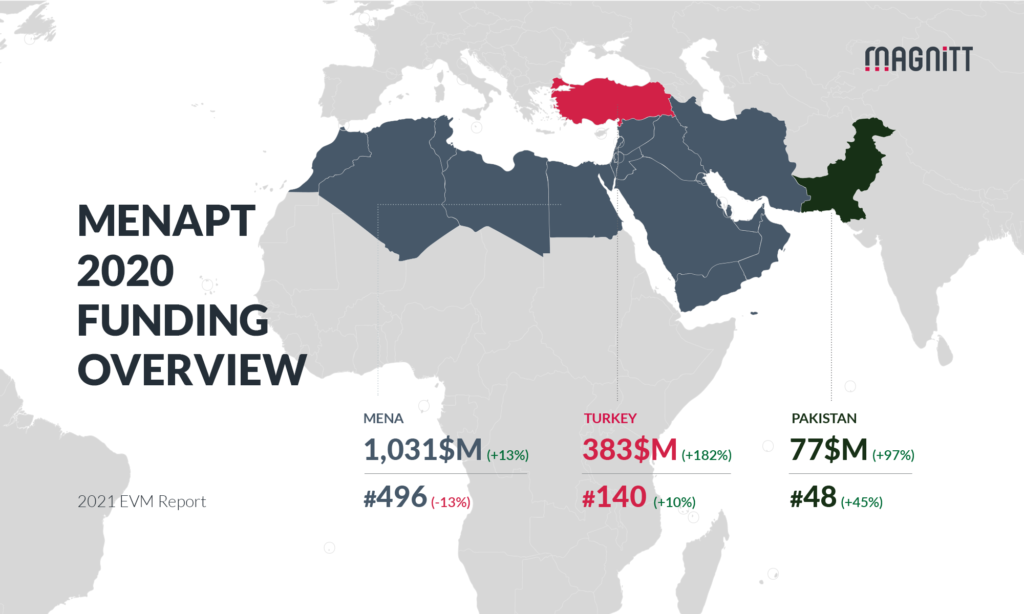
Despite the ongoing Covid-19 pandemic, investors continued to believe in the potential of North African and Middle Eastern tech start-ups. The growth in venture capital investments in MENA countries in the latter portion of 2020 speaks volumes about the expected high returns in the coming years. While the total number of investment transactions in 2020 decreased 13% overall from numbers in 2019, a record breaking first half of 2020 and a rebound in late Q3 led to a year that, despite a global pandemic, shattered expectations for investment numbers.

The sectors benefiting most from high investment

While the total number of deals may have dropped, several key industries have experienced major growth throughout 2020:

  • Fintech, or financial tech did very well. Despite losing 19% of the number of deals, total funding for this industry shot up to $162 million.
  • eCommerce was a sector that lost 23% in deals but managed to come out with 24% more funding than the sector received in 2019.
  • Healthcare and Healthtech was an obvious winner given the public health crisis, and investment in Healthcare start-ups soared by 280% compared to 2019 for a total of $72 million in funding

Big winners of the year included the digital healthcare agency Vezeeta, securing a staggering $40 million in series D funding in early 2020, shortly after moving their headquarters to Dubai, and Dubai-based used car marketplace, Sellanycar.com that raised $35 million to expand the number of branches across the country.

United Arab Emirates takes the lion’s share of investment funding

The UAE maintained its powerful lead in total funding, taking 56% of the total of venture capital funding raised within the Middle East and North Africa for the year of 2020. Egypt and the Kingdom of Saudi Arabia follow with 17% and 15% of the total funding, respectively. As a percentage of the deal share, very little changed compared to 2019. Most changes were only 1 or 2% of the deal share, with the exception of Saudi Arabia. The Kingdom of Saudi Arabia increased the share of the number of deals by 6%, likely because of the large shift towards ecommerce and Fintech within Sauda Arabia during 2020.

Seed rounds and series A receiving the biggest boost in funding

Despite the increase in funding overall, the investment landscape does seem to have been altered by the Covid-19 pandemic. Pre-seed and early stage venture funding decreased in 2020, while Seed funding and Series A investments exploded, potentially reaching up to $3 million of funding. While exact numbers are still being confirmed, it suggests investors are less willing to expose themselves to risk on companies that are yet to bring a product to market, and instead focused on those with a promising outlook for rapid growth. Given the impact the global economy has seen from Covid-19 and the many countries facing a harsh recession, this change of tactics could be seen as a more cautious approach from investors.

A promising outlook for tech start-ups in the Middle East and North Africa

Although Covid-19 is far from over and many of the long-term economic impacts are still to hit home, raising over $1 billion of funding in 2020 is an incredible achievement for MENA start-ups. Chief Operating Officer at 500 Startups Courtney Powell, among others, have said that the outlook for 2021 is positive, and if the Fintech, eCommerce and Healthtech industries can innovate and succeed through the challenging year of 2020, then there is every reason to expect they will succeed in 2021.

Sources: ventureburn.com – gccbusinessnews.com

Read more

StartUps Flourish Across the Middle East

Comments (0) Economy, Technology

middle-east-startup

The Middle East is overcoming cultural barriers, and political and financial challenges, to become a paradise for potential investors. Emerging local technology companies are flourishing and giants from the US, Europe and Asia are taking notice. From the arrival of business angels, to the sale of Souq.com to Amazon, the region is showing greater creditability for investment projects and successful business ventures.

Growing Markets

Although there are huge obstacles facing the business markets of some countries across the region, the six Gulf Cooperation Council countries (UAE, Qatar, Oman, Saudi Arabia, Bahrain and Kuwait) plus Egypt, Lebanon and Jordan are emerging as an economic hub. According to venture capital site Beco Capital, there are over 160 million people in the region, 85 million who are online, and 50 million who are adult digital consumers with disposable income. These countries have the highest value consumers, enterprises and entrepreneurs, as well as, the youngest populations and high smartphone and broadband usage. This largely untapped market, is becoming the breeding ground for local technology startups, and big players from abroad, who wish to tap into it.

So far, only 8% of businesses in the Middle East and North Africa (MENA) have digital presence (as opposed to 80% in the United States) and only 1.5% of the region’s retail sales are digitally transacted, meaning there is still plenty of growth to come. According to Beco Capital, each digital job is estimated to create two to three more jobs in the economy, meaning the digital market could add up to $95 billion in annual gross domestic product by 2020. The business landscape of the region therefore, shows a lot of promise to foreign investment.

Emerging Startups

According to research house MAGNiTT, there are now over 3,000 startups across the region, with $870 million spent in startup investment last year. The top 100 startups raised over $1.42 billion in funding and each startup has raised over $500,000 individually. Some 68% of startup founders come from the Middle East, although many hold dual citizenship, 12% of successful startup founders are female, and the UAE hosts 50% of the most funded startups in the region. These figures have attracted foreign investment from abroad.  

According to Bloomberg, Amazon’s recent acquisition of Dubai based, online market retailer Souq.com, shows that e-commerce in the Middle East is set to take off. Out-bidding Emaar Malls PJSC, which owns the world’s largest shopping center, at $800 million, Amazon is actively looking for new areas of growth, and seems to have found it in the Middle East. According to Bloomberg, Souq.com has 23 million online visits a month, employs over 3,000 people and sells more than 400,000 products, from electronic goods to household products and clothes.    

Business Angels

An angel investor is usually an affluent individual or professional investor who provides startup capital for a new venture in return for shares in the business. In a report drafted by Harvard Business School experts, angels increase creditability to projects and increase possibilities for success. The report found possibilities for success increased by 10 to 17% when initial investment was done outside the US. According to the National back in 2012, enthusiasm for angel investment was growing across the Middle East. High speed internet connections enable the regions businesses to reach a global audience, meaning companies can grow without need for crippling overheads previously associated with foreign investment.

Executive chairman of Oasis500, a Jordan based investment program, Usama Fayyad said the Middle East was a unique opportunity for investors to participate in companies who could easily grow in value two to ten times over in a matter of months. Business angels may also have valuable knowledge and experience to help struggling startups. Serial entrepreneurs, who have started their own business can mentor local companies to ensure successful management strategies.

Startup Ecosystem

Despite the war and poverty stories emanating from across the region on the nightly news, the Middle East is well on its way to becoming a global hub for investment. Even with numerous challenges, this has not stopped the region, as a whole, from overcoming the first phases of business development to build a promising startup ecosystem.  

Sources: (1), (2), (3), (4).

Read more