
From Nairobi to Dubai: the anatomy of a new financial corridor
For years, the story of East African fintech was largely domestic. M-Pesa launched in Kenya in 2007 and within a decade had transformed how Kenyans transferred money and accessed basic financial services, without crossing a single border. That domestic focus made sense: mobile money was solving an acute local problem, connecting an unbanked majority to essential services.
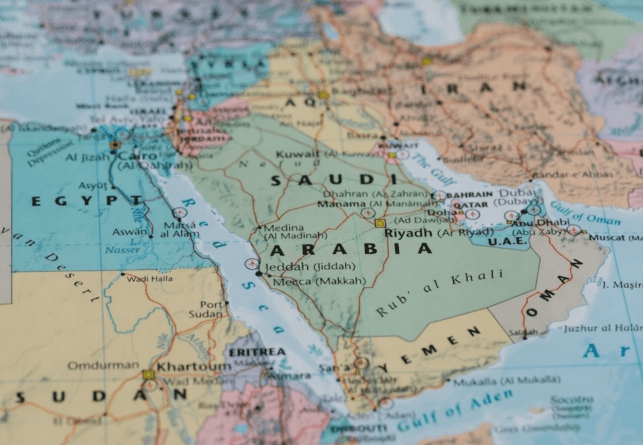
The focus is shifting. A new generation of fintech companies in Kenya, Rwanda and, more cautiously, Ethiopia is building cross-border payment infrastructure that connects East African users directly to exchange houses and digital wallets in Gulf Cooperation Council states. The push is driven by a clear economic reality: GCC countries host an estimated 2.5 million migrant workers from East Africa, and the money they send home is a critical pillar of household income.
According to World Bank data, Kenya received approximately $4.1 billion in remittances in 2023, making it one of the top remittance recipients on the continent. Ethiopia’s inbound transfers have exceeded $5 billion in recent years. The challenge is cost: the World Bank’s Remittance Prices Worldwide database shows that sending $200 to sub-Saharan Africa still costs an average of around 8 percent of the transaction value, nearly double the United Nations Sustainable Development Goal target of 3 percent. For a migrant worker in Riyadh or Dubai, that gap is felt every month.
A regulatory race to attract corridor business in East Africa
Rwanda has positioned itself most deliberately as a fintech hub for cross-border services. The National Bank of Rwanda operates a regulatory sandbox that allows companies to test interoperable payment products before full licensing, reducing the time and cost of compliance. This framework has attracted startups building East Africa–Gulf corridors and enabled partnerships with regional card networks and Gulf exchange houses, according to Disrupt Africa, which tracks startup activity across the continent.
Kenya’s Central Bank has progressively expanded its frameworks for licensed payment service providers, and partnerships between Kenyan platforms and Gulf-based fintech players have multiplied. Integrations with UAE-based digital wallets and Saudi exchange networks now allow users to send and receive funds in near-real time, compared with the multi-day processing that traditional bank transfers require.
Ethiopia represents the newest frontier. After decades of a tightly controlled financial sector, Addis Ababa has begun opening banking and payment services to private actors. A 2023 directive allowing foreign investors to hold minority stakes in Ethiopian banks was a significant regulatory step, one that fintech observers noted as an opening for diaspora-oriented payment services, given the size of Ethiopia’s Gulf-based diaspora. According to Disrupt Africa’s annual fintech reports, East Africa consistently attracts among the highest shares of fintech venture funding on the continent, with corridor-focused companies drawing backing from Gulf family offices, regional venture funds and development finance institutions.
Beyond the transaction: regional and continental implications
The expansion of these payment corridors carries consequences well beyond individual transfers. For families in Nairobi, Kigali or Addis Ababa who depend on Gulf remittances, lower fees and faster settlement mean more disposable income and greater financial predictability month to month. Central banks benefit as well: when transfers flow through regulated digital platforms rather than informal channels, monetary authorities gain clearer visibility into foreign currency flows, an advantage for monetary policy management.
There is a larger strategic picture. The African Continental Free Trade Area has set ambitious targets for intra-African trade, and seamless cross-border payments are a prerequisite for reaching them. Fintech corridors between East Africa and the Gulf can function as proving grounds for the interoperability standards that pan-African payment systems will eventually need. Each cross-border integration negotiated today, whether with a Saudi exchange house or a UAE neobank, produces the technical and legal templates that can later be adapted to African-to-African corridors.
Product managers in Nairobi consult with compliance officers in Abu Dhabi. Founders in Kigali pitch to sovereign fund analysts in Riyadh while adapting interfaces for Arabic-speaking users. These relationships, built deal by deal and license by license, form the connective tissue of a genuinely regional financial market.
The road ahead is not without friction. Liquidity management across multiple jurisdictions, combined with the patchwork of Know Your Customer requirements in both regions, creates ongoing compliance costs that weigh more heavily on smaller players. Currency volatility adds another layer of risk. Cross-border instant payment rails remain more aspiration than standard, despite progress by systems such as PAPSS in West and Central Africa and Buna in the Arab world.
For East Africa’s fintech founders, the direction is clear. The Gulf is both a source of diaspora capital and a live market for digital financial services. Building reliable bridges between these two realities, one corridor at a time, is becoming the defining strategic bet of this next phase of African fintech. Whether the region can sustain this momentum will depend as much on regulatory coordination between African and Gulf authorities as on the technology itself.