
Featured
Category

Dream of the Desert: Saudi Arabia’s Bold Bet on Luxury Rail

Comments (0) Business, Featured

Saudi Arabia is betting on a slower, more exclusive way to travel. With Dream of the Desert, the Kingdom is launching its first luxury tourist train, a project that blends hospitality, mobility and nation branding into a single moving experience. Far from being a nostalgic nod to old-school rail travel, this train is a strategic business tool designed to attract high-value tourism and reinforce Saudi Arabia’s Vision 2030 ambitions.

Developed in partnership with Italian luxury brand Arsenale Group and operated on the Saudi rail network, Dream of the Desert is expected to run across the country’s northern routes, notably between Riyadh, AlUla and Qurayyat. The train will feature around 40 luxury cabins, including suites, lounges and dining cars, accommodating roughly 80 to 90 passengers per journey. This is not mass transport. It is scarcity by design.

A moving luxury asset in the middle of the desert

Dream of the Desert is conceived as a five-star hotel on rails. Interiors are inspired by Saudi architectural heritage, with contemporary design, panoramic windows and bespoke furnishings. Onboard services are expected to include fine dining, curated cultural content and guided off-train excursions, particularly in destinations like AlUla, one of Saudi Arabia’s flagship tourism projects.

From a business standpoint, the numbers are telling. Luxury train journeys elsewhere in the world often sell for between 2,000 and 5,000 dollars per person for multi-day experiences. Saudi Arabia is positioning itself in this premium bracket, targeting international travelers who are willing to pay for exclusivity, storytelling and comfort rather than speed. With limited capacity and high price points, profitability relies on margins, not volume.

The train also capitalizes on existing infrastructure. By upgrading and reimagining rail assets instead of building entirely new ones, the project limits capital expenditure while increasing the value generated per kilometer traveled. It is a classic example of asset optimization, applied to tourism.

Why this train fits Saudi Arabia’s long-term strategy

Dream of the Desert is more than a tourism product. It is a narrative device. For decades, Saudi Arabia has been associated with oil, aviation and road transport. A luxury train crossing the desert sends a different message: one of openness, refinement and experiential travel.

Tourism is expected to contribute 10 percent of Saudi Arabia’s GDP by 2030, up from around 3 percent a decade ago. The country aims to attract 150 million visitors per year by the end of the decade. While Dream of the Desert will only host a fraction of those travelers, its symbolic impact is disproportionate to its size. It helps position Saudi Arabia as a premium destination, not just a new one.

There is also a sustainability angle. Rail travel produces significantly lower CO₂ emissions per passenger than short-haul flights, especially for domestic routes. For a country under increasing pressure to demonstrate environmental responsibility, promoting luxury rail fits the growing global demand for slower, more conscious travel without sacrificing comfort.

The project has not been without controversy. Critics point to the optics of launching a luxury train in a country where questions around human rights, freedom of expression and labor conditions remain central in international debates. Others question the relevance of ultra-premium tourism in a region facing water scarcity and extreme climate constraints, arguing that luxury infrastructure in the desert risks amplifying environmental pressures rather than alleviating them.

There is also skepticism about demand sustainability: with limited global precedent for profitable luxury rail in harsh climates, some analysts wonder whether the project will attract enough repeat international travelers to justify long-term operating costs

In the end, Dream of the Desert is not about getting from point A to point B. It is about redefining what the journey itself is worth. By combining luxury hospitality, cultural storytelling and strategic restraint, Saudi Arabia is testing a simple but powerful idea: in a world obsessed with speed, slowing down can be a premium business.

Photos : cnn.com

Read more

The Elite of Mboa” offers a witty political simulation rooted in African realities

Comments (0) Featured, Politics

In the heart of Yaoundé, Cameroon, a video game studio is gaining international recognition for its bold and original storytelling. Kiro’o Games, founded in 2012 by Olivier Madiba, has made it its mission to place African stories at the center of the gaming world. With its latest release, “The Elite of Mboa” (also known as Le Responsable), the studio delivers a humorous, strategic take on political life in a fictional African country—blending gameplay with social critique.

Kiro’o Games, short for Kiroho Maono (meaning “spiritual vision” in Swahili), is the first video game studio in Central Africa. Since its creation, the studio has trained and employed a team of young developers and artists, most of them local. It operates with a clear goal: to break away from Western-dominated narratives and build a game universe that reflects the realities and imagination of the African continent.

In 2015, Kiro’o Games launched its first title, “Aurion: Legacy of the Kori-Odan,” an action RPG inspired by African mythology. The game received international praise for its originality and world-building. To fund its development, the studio raised over 300,000 dollars through a mix of crowdfunding and international angel investors—an unprecedented achievement for a startup in the region.

“The Elite of Mboa”: A Game of Choices, Corruption, and Comedy

The Elite of Mboa,” released in 2020, is a satirical simulation game set in the fictional republic of Mboa. Players take on the role of a young graduate who lands a job in the Ministry of Paperwork and must navigate the complexities of public service, family obligations, and career ambitions. The game offers multiple storylines depending on the player’s choices, including whether to act with integrity or fall into corruption.

Players manage a character’s resources, organize public events, dodge internal audits, and interact with a colorful cast of coworkers and politicians. The design of the game draws heavily on the social and political culture of Central Africa, using local humor, real-world inspired scenarios, and expressive dialogue. It is available in both English and French and is compatible with PC and Android platforms.

As of 2024, “The Elite of Mboa” has been downloaded more than 60,000 times and is receiving increasing attention from educators and NGOs who see it as a tool for sparking conversations about governance, ethics, and civic responsibility in Africa. The game is also being adapted for mobile and console, and Kiro’o Games is actively working on expanding its reach.

Alongside game development, the studio has launched Kiro’o Rebuntu, a mentorship and funding platform designed to support young African entrepreneurs in the digital and creative industries.

By mixing satire with thoughtful gameplay, Kiro’o Games continues to prove that Africa not only has unique stories to tell but also the creative power and technical skill to share them with the world.

Photos : premortem.games –

Read more

The Trans-African Highway Network: A Continental Lifeline

Comments (0) Business, Featured

The Trans-African Highway (TAH) network is a visionary infrastructure initiative aimed at interconnecting the African continent through a series of transcontinental highways. Spearheaded by the United Nations Economic Commission for Africa (UNECA), the African Development Bank (AfDB), and the African Union (AU), the network is a symbol of Africa’s aspiration for regional integration, economic development, and the realization of the African Continental Free Trade Area (AfCFTA).

An Ambitious Vision

The TAH network comprises nine highways stretching over 60,000 kilometers, designed to connect major cities, ports, and economic hubs across Africa. The network’s primary objective is to facilitate intra-African trade, reduce transportation costs, and boost economic growth by improving access to markets and resources. It also aims to enhance connectivity between landlocked countries and coastal regions, bridging geographical divides and fostering regional collaboration.

Key Routes

Among the nine highways, the Cairo-Cape Town Highway is one of the most ambitious, running from Egypt in North Africa to South Africa in the southernmost part of the continent. Another notable route is the Trans-Sahelian Highway, connecting Dakar in Senegal to N’Djamena in Chad, which provides vital access to Sahelian nations. The Trans-Sahara Highway links Algiers in Algeria to Lagos in Nigeria, crossing one of the world’s most challenging terrains.

Other highways in the network include the Trans-West African Coastal Highway, which connects countries along the West African coast, and the Lamu Port-South Sudan-Ethiopia Transport Corridor (LAPSSET), aimed at integrating East African economies.

Economic and Social Impact

The TAH network has transformative potential. It offers landlocked nations such as Mali, Chad, and Burkina Faso much-needed access to global trade routes. The improved connectivity reduces logistical costs, enabling farmers, manufacturers, and small businesses to transport goods efficiently to markets. For instance, the Cairo-Cape Town Highway facilitates agricultural trade between northern and southern Africa, strengthening food security and economic resilience.

Beyond economic benefits, the highways contribute to social integration and cultural exchange. By connecting diverse regions and communities, the TAH fosters greater understanding and unity among African nations. It also improves access to education, healthcare, and emergency services in remote areas.

Challenges in Implementation

Despite its promise, the TAH network faces significant challenges. Political instability in some regions, inadequate funding, and a lack of coordination among countries can impede progress. Infrastructural gaps, such as missing road segments and poor maintenance, further limit the network’s potential. Additionally, the harsh climates and vast deserts in regions like the Sahara pose logistical and environmental hurdles.

To overcome these obstacles, strong partnerships between governments, private sectors, and international organizations are essential. Innovative financing models, such as public-private partnerships (PPPs), can help bridge funding gaps. Regional collaboration through bodies like the African Union can ensure uniform standards and coordinated implementation.

The Road Ahead

The Trans-African Highway network symbolizes Africa’s determination to unite its people and harness its economic potential. While challenges remain, ongoing investments and partnerships signal a positive trajectory. As the AfCFTA gains momentum, the TAH network will play a critical role in fostering economic integration and positioning Africa as a competitive global player.

By connecting rural villages to bustling cities, facilitating trade across borders, and uniting the continent, the Trans-African Highway is not just a series of roads—it is a pathway to a prosperous and interconnected Africa.

photos : thetravelbible.com

Read more

Razan Khalifa Al Mubarak : To Shift Towards a More Sustainable and Equitable Planet

Comments (0) Featured, Leaders

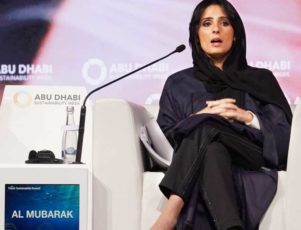
Razan Khalifa Al Mubarak is a figure whose career is emblematic of contemporary environmental leadership, combining deep passion with a pragmatic approach to conservation and sustainability.
 
Born and raised in the United Arab Emirates, a country known for its rapid modernization and rich natural ecosystems, Al Mubarak has been deeply influenced by the juxtaposition of progress and preservation. Her educational background, including studies abroad, equipped her with a global perspective on environmental challenges and solutions, setting the stage for her eventual return to the UAE to spearhead its conservation efforts.
 
Al Mubarak’s nomination as the Director General of the Environment Agency – Abu Dhabi (EAD) marked a significant milestone in her career and the agency’s history. Under her leadership, the EAD has embarked on ambitious projects aimed at protecting the emirate’s biodiversity, addressing climate change, and promoting sustainable development. Her appointment to this critical role reflects not only her expertise and commitment to environmental stewardship but also the UAE’s broader commitment to elevating women to leadership positions in sectors traditionally dominated by men.
 
One of the core missions of Al Mubarak’s tenure at EAD has been to reconcile economic development with environmental sustainability. Abu Dhabi, as part of the oil-rich UAE, faces unique challenges in balancing its economic backbone with the need to preserve its natural heritage and mitigate climate impacts. Al Mubarak has navigated these waters by promoting innovative conservation projects, such as the reintroduction of native species and the establishment of protected marine and terrestrial areas. She has also been a vocal advocate for renewable energy and reducing carbon emissions, aligning with the UAE’s vision to diversify its energy sources.

Successes and Controversies

Her successes are numerous and varied, ranging from tangible conservation victories, such as the significant increase in the population of the once-endangered Arabian Oryx, to strategic achievements like enhancing Abu Dhabi’s international environmental reputation. These successes underscore her ability to leverage her role for broad, impactful environmental gains.

Al Mubarak’s career has not been without controversy, a common trait among those leading change in complex fields. Her initiatives, especially those pushing for significant shifts in policy or practice, have sometimes faced resistance from traditional sectors accustomed to the status quo. However, her approach—grounded in science, diplomacy, and a genuine dialogue with all stakeholders—has often turned skepticism into collaboration.

Challenges remain, as with any leadership position in a field as dynamic and urgent as environmental conservation. Climate change, habitat loss, and biodiversity decline are global issues that require local actions to be effectively addressed. Al Mubarak’s perspective, shaped by her years of experience and the unique position of Abu Dhabi within the global environmental context, remains focused on innovation, collaboration, and a steadfast belief in the possibility of positive change.

Razan Al Mubarak’s biography is not just a testament to her personal achievements but also a reflection of the evolving role of leadership in environmental conservation. Her journey from a passionate student of the environment to the Director General of the EAD encapsulates a broader narrative of progress, challenge, and hope for a sustainable future. Through her work, Al Mubarak continues to inspire not just immediate action but a generational shift towards a more sustainable and equitable planet.

Photos : razanalmubarak.com

Read more

Masoud Kipanya : From a Cartoonist to an EV Manufacturer

Comments (0) Featured, Leaders

Masoud Kipanya is a name synonymous with versatility and innovation in Tanzania. Born into the vibrant culture of East Africa, Kipanya has carved a niche for himself across various sectors, including media, fashion, and now, the burgeoning field of electric vehicle manufacturing. This 500-word article delves into his life, career, and the recent challenges he has encountered as he ventures into uncharted territories.

Masoud Kipanya began his career as a cartoonist, quickly gaining notoriety for his sharp wit and the ability to capture the socio-political landscape of Tanzania through his art. His cartoons, which are widely circulated in national newspapers and online platforms, have not only entertained but also provoked thought and discourse among his audience. His unique style, characterized by humor and poignant observations of everyday life, earned him accolades and a steadfast following.

However, Kipanya’s talents are not confined to the realm of cartooning. He is also a celebrated radio journalist, known for his engaging interviews and insightful commentary on current affairs. His ability to connect with listeners and bring complex issues to the fore has made his radio shows a must-listen for many Tanzanians. Through his work in radio, Kipanya has further cemented his status as a key influencer in the Tanzanian media landscape.

In addition to his contributions to media and journalism, Masoud Kipanya is the entrepreneurial mind behind Kipanya Wear, a clothing company that has gained popularity for its quality and creativity. The brand reflects Kipanya’s artistic vision, blending contemporary designs with traditional Tanzanian motifs. This venture into the fashion industry showcases his versatility and commitment to promoting Tanzanian culture on a global stage.

The latest chapter in Masoud Kipanya’s illustrious career is perhaps his most ambitious undertaking yet: venturing into electric vehicle manufacturing. Recognizing the global shift towards sustainable transportation and the potential for electric vehicles (EVs) in Tanzania, Kipanya embarked on this journey to not only contribute to environmental conservation but also to position Tanzania as a player in the global EV market. This endeavor signifies a significant pivot from his previous roles but underscores his visionary approach and willingness to tackle new challenges.

The transition to electric vehicle manufacturing has not been without its hurdles. The EV industry in Tanzania, like in many developing countries, is in its nascent stages, with challenges ranging from infrastructural readiness to consumer acceptance. Kipanya has had to navigate these waters carefully, advocating for policy support, investment in charging infrastructure, and public education on the benefits of electric vehicles. Despite these challenges, his determination to drive innovation and sustainability in Tanzania’s transportation sector remains unwavering.

Masoud Kipanya’s journey from a cartoonist to an electric vehicle manufacturer encapsulates the spirit of innovation and resilience. His ability to seamlessly transition across different industries, all the while maintaining a commitment to societal improvement, is truly remarkable. As he forges ahead with his electric vehicle venture, the challenges are many, but so are the opportunities. Kipanya’s story is a testament to the power of vision, versatility, and relentless pursuit of progress.

Photo : millardayo.com

Read more

Leyja: The Latest Sustainable Tourism Destination in Saudi Arabia

Comments (0) Business, Environment, Featured

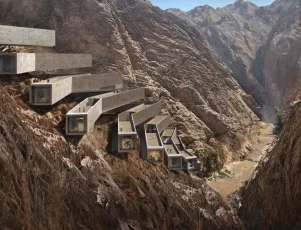
Leyja, NEOM’s latest sustainable tourism destination in Saudi Arabia, nestled between the Gulf of Aqaba coast and 400-meter-high mountains, exemplifies the kingdom’s commitment to a multifaceted, eco-friendly tourism industry under Vision 2030, offering three architecturally distinct hotels and curated experiences in a nature-reserve setting.

In a significant stride towards a more sustainable and diversified tourism industry, NEOM, Saudi Arabia’s futuristic super-city, has unveiled Leyja, its latest ecotourism destination.

Nestled along the Gulf of Aqaba coast and winding inland through a valley surrounded by 400-meter-high mountains, Leyja is a testament to Saudi Arabia’s commitment to sustainable development and its ambitious Vision 2030 initiative.

Where Is Leyja? 

Leyja is strategically positioned to unfold from the Gulf of Aqaba coast, creating a natural valley that carves through the impressive mountains of NEOM.

What sets Leyja apart is its dedication to preserving nature, with 95% of its expansive landscape designated as a nature reserve.

This aligns with NEOM’s overarching strategy to blend innovative ecological design with construction techniques that integrate seamlessly with the environment.

A Strategic Step in Saudi Arabia’s Commitment

Leyja represents a strategic step in Saudi Arabia’s commitment to diversifying its tourism destinations and boosting its economy. As part of the NEOM super-city, this $500 billion development aims to attract discerning travelers with its ultra-luxurious offerings, including high-end stores, helipads, and fine-dining restaurants helmed by celebrity chefs.

Led by renowned architects Mario Cucinella, Chris van Duijin, and Shaun Killa, Leyja’s architectural direction reflects a harmonious blend of luxury and sustainability. The development features three distinctive hotels, each offering a unique experience while staying true to its natural surroundings.

The “Adventure Hotel” (Chris Van Duijn) is a designed as a vertical structure with a deconstructed aesthetic resembling a cliffside staircase. It’s a hub for tourists seeking high-octane activities such as rock climbing. Its design minimizes impact on the natural terrain, allowing guests to engage with the rugged landscape


“Oasis Hotel” (designed by Mario Cucinella Architects) is emerging from the rocks with five facade fins, it serves as a gateway to exploration, offering panoramic views of the valley. The design mirrors the natural context, providing guests with an immersive experience that complements the breathtaking surroundings

The Wellness Hotel is a reflective retreat with two opposing volumes adorned with high-tech facades. This immersive wellness retreat complements Leyja’s commitment to holistic experiences, offering guests a serene escape amidst nature.

Experiences And Activities At Leyja

Leyja goes beyond traditional hospitality by curating refined experiences for visitors. Fine dining by world-renowned chefs, rooftop infinity-style pools, and wellness facilities are just a glimpse of what the destination has to offer.

For those seeking adventure, Leyja provides guided wadi walks, hiking trails, mountain biking, and climbing, allowing guests to immerse themselves in the dramatic mountain landscape.

Leyja stands as a beacon of sustainable luxury in the heart of Saudi Arabia’s mountains, inviting visitors to experience the beauty of nature without compromising on comfort. As the kingdom continues to invest in projects like Leyja, it not only aims to meet its tourism targets but also sets an example for environmentally conscious and innovative development on a global scale. With Leyja, NEOM is not just creating a destination; it’s crafting an ecological masterpiece that harmonizes with the natural wonders of Saudi Arabia.

Photos : zawya.com –


Read more

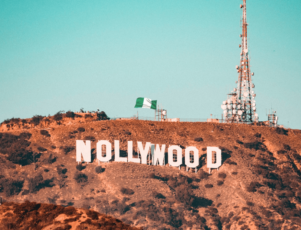
Nollywood : the Nigeria’s burgeoning film industry

Comments (0) Business, Featured

Nollywood, Nigeria’s second-largest film industry, has risen from modest beginnings, revolutionizing storytelling and challenging societal norms, making a significant impact on the global film landscape.

Nollywood, Nigeria’s burgeoning film industry, has rapidly evolved into a global cinematic sensation over the last few decades. Emerging from modest beginnings in 1992, it now stands as one of the world’s most prosperous and influential film sectors, fundamentally reshaping our perceptions of movie production.

Originally rooted in Nigeria’s rich oral traditions, Nollywood draws from centuries of storytelling through song and dance. This deep-seated tradition can still be heavily observed through Nollywood films, where stories often interweave traditional music and dance, adding a unique cultural vibrancy to the industry.

From Humble Beginnings

Nollywood has come a long way since it took off in the early 1990s when trailblazers such as Kenneth Nnebue and Ola Balogun played pivotal roles in its birth. Kenneth Nnebue made history by producing Nigeria’s first feature film, “Living in Bondage” (1992), which immediately captivated audiences and set the stage for a new era in Nigerian cinema.

The film’s success inspired other aspiring filmmakers to enter the industry using video cameras and minimal budgets. These early productions were characterized by their resourcefulness, often filmed on location without the benefit of professional equipment or crews.

Fast-forward to the present, Nollywood has transformed into the second-largest film industry globally, second only to Bollywood in India. Every year, it produces over 2,000 movies and boasts an estimated revenue of $1.2 billion, establishing itself as one of the most prolific film industries worldwide.

Statistics On Nollywood Film Industry 

During the first quarter of 2023, Nollywood exhibited its unwavering productivity by delivering a total of 280 films according to Alhaji Adedayo Thomas, the Executive Director/CEO of the National Film and Video Censors Board (NFVCB).

This figure of 280 films actually represents a decrease compared to the 340 films produced in the fourth quarter of 2022, marking an 18 percent decline.

However, this slight dip does not diminish the ongoing significance of Nollywood in the larger context of Nigeria’s economy. Breaking down the production areas, the NFVCB reported that Lagos, as a prominent hub, took the lead with 106 movies.

Following closely was Nigeria’s federal capital, Abuja, contributing 99 films, while Onitsha added 32 to the cinematic landscape. Other cities, such as Abeokuta, Kano, and Benin, also played their part, albeit on a smaller scale.

Nollywood’s Strategy To Become An Empire

There are a couple of key features that helped make Nollywood into what it is today. First of all : the low production costs. The hallmark of Nollywood’s success lies in its ability to craft compelling narratives on limited budgets, often releasing these films directly to the video market instead of going through production companies and studios. Second : they are relatable! These films courageously confront the daily social issues and challenges that confront Nigerians, making them not just movies but mirrors reflecting the lives of millions. 

Also, Nollywood challenges time-honored values and beliefs, nudging individuals to view the world with fresh perspectives. Through their narratives, these films become catalysts for change, encouraging people to question, evolve, and aspire to a different reality.

Last but not least, Nollywood is an Ever-Growing Industry. The industry has, by employing over 200,000 individuals, made a substantial contribution to job creation. Moreover, Nollywood’s reach extends far beyond Nigeria’s borders, with its films captivating audiences in over 50 countries. This international appeal brings foreign investment, elevating the economic fortunes of Nigeria in a globalized world.

Obstacles Ahead For The Nollywood Film Industry

Despite its remarkable size and reach, the industry faces certain obstacles that warrant attention and innovative solutions. One of the most pressing challenges confronting Nollywood is the perennial need for increased funding.Nigerian films are typically produced on modest budgets, which can limit the production values and overall quality of the final product.

This budgetary constraint hinders Nollywood’s ability to compete on a global stage, where Hollywood blockbusters and other regional film industries often command significant financial resources for grand productions.

Rampant Piracy and Distribution Dilemma

Another formidable challenge that continues to plague Nollywood is piracy. Given the relatively low production costs of Nigerian films, they are particularly vulnerable to being illegally copied and distributed. Pirated copies frequently flood the market, and these unauthorized versions are sold on the streets at a fraction of their original price.

While the industry enjoys strong viewership within Africa, expanding its reach globally remains a complex endeavor. Getting Nigerian films into international movie theaters can be a time-consuming process, as many distributors prioritize established foreign films with proven track records of audience appeal.

How Nollywood Has Impacted The Globe

Nollywood’s impact on the film industry is undeniable. As the second-largest film industry globally, it has reshaped storytelling, challenged societal norms, and made substantial economic contributions.

Despite facing challenges, Nollywood’s influence continues to grow, highlighting the remarkable power of cinema to transcend borders and inspire change. It is a vibrant testament to the enduring and transformative impact of storytelling on a global scale.

photos : olorisupergal.com / miro.medium.com/

Read more

Fadi Ghandour : The Visionary Behind Wamda

Comments (0) Featured, Leaders

Fadi Ghandour has made a lasting mark on the world of logistics and technology in the Middle East. Born on March 2nd, 1959, his journey is a testament to the incredible potential of perseverance and innovation.

Fadi is arguably most well-known for co-founding Aramex back in 1982. If you aren’t familiar with it already, it’s a company that started as a humble local courier service and grew into a global logistics powerhouse.

Under the guidance of Fadi Ghandour, Aramex expanded its reach far beyond borders, establishing a formidable presence throughout the Middle East, North Africa, and beyond. Their remarkable journey culminated in the company going public on the NASDAQ stock exchange in 1997. However, Fadi Ghandour’s impact doesn’t end there.

The Driving Force Behind MENA’s Thriving Tech Startup Ecosystem

As a co-founder of Wamda Capital, Fadi Ghandour has been instrumental in fueling the dreams of countless budding entrepreneurs across the Middle East and North Africa, injecting vitality into the world of innovation. Beyond business, Ghandour’s philanthropic efforts and social initiatives shine just as brightly. 

His dedication to propelling economic development and fostering innovation in the Middle East has not only earned him acclaim but has transformed the landscape of the region.

Fadi Ghandour’s journey is nothing short of inspirational. His entrepreneurial spirit, combined with his commitment to driving innovation in the Middle East, makes him a standout figure in the business world.

Wamda, An Accelerant Of Innovative Entrepreneurship Systems

Wamda is a multifaceted platform and ecosystem dedicated to nurturing entrepreneurship and driving innovation in the Middle East and North Africa (MENA) region. It plays a pivotal role in supporting startups and equipping them with the resources needed to thrive in this dynamic and ever-changing landscape.

Wamda Capital sits at the core of Wamda. It’s an integral part of the organization and serves as a venture capital fund that injects essential financial support into both early-stage and growth-stage startups across MENA.

By providing capital, they empower these startups to transform innovative concepts into successful and (long-term) sustainable businesses. However, Wamda’s impact extends far beyond financial backing.

The organization is deeply committed to fostering a robust entrepreneurial ecosystem through mentorship and networking initiatives. It connects emerging startups with seasoned mentors, industry experts, and potential investors. This will naturally enable them to gain access to invaluable guidance, forge strategic partnerships, and secure additional funding to fuel their growth.

The organization also hosts a range of gatherings, conferences, and educational programs that bring together a diverse community of entrepreneurs and industry experts. These events serve as dynamic platforms for knowledge sharing, collaboration, and the showcasing of innovative ideas.

Generating Knowledge And Insights About The MENA Startup Landscape

Through extensive research efforts and the publication of informative reports, Wamda equips policymakers, investors, and entrepreneurs with a comprehensive understanding of the unique challenges and opportunities in the region. Additionally, Wamda operates a media platform that disseminates news, stories, and analyses related to entrepreneurship, startups, and technology in MENA.

This content not only informs and educates, but also celebrates the accomplishments and breakthroughs of startups in the region.

Fadi Ghandour’s remarkable journey from co-founding Aramex to his pivotal role in nurturing the MENA region’s startup ecosystem through Wamda and Wamda Capital is truly inspirational. His commitment to innovation and entrepreneurship continues to shape the future of the Middle East and Africa, fostering a vibrant landscape of innovation and economic growth.

Photos : menabytes.com /

Read more

High-tech trains are coming to Cairo

Comments (0) Featured, Technology

Egyptian Passengers will soon be able to travel through their country aboard a high-speed train. Indeed, the German group Siemens deals to construct 2,000 kilometers of high-speed rail lines across Egypt. The project aims to connect 60 cities by train, at speeds of up to 250 kilometers per hour.

Rail travel is the most important method of passenger transportation in Egypt with 800 million passenger miles annually. Most of the network connects the densely populated urban areas of the Nile delta with Cairo and Alexandria as switching points. Train fares in commuter trains and 3rd class passenger trains are subsidized by the government as a social service.

Egyptian rail before

The history of Egypt under British rule lasted from 1882 to 1956 (the Suez Crisis), and we all know that Britain was a huge promoter of rail infrastructure: witness the 60, 000 km of line in India. The British introduced rail to Egypt in 1854.  Egypt has less than 20% of India’s rail length, yet it will soon have a rail network availability that any country would be proud of.

The development

Between September 2021 and May  of 2022, the German industrial group Siemens Mobility deals to construct 2,000 kilometers of high-speed rail lines across Egypt. The deal is worth over 8 billion and includes 41 high-speed trains, 94 regional trains, and 41 freight trains. It will connect 60 cities by train, at speeds of up to 250 kilometers per hour, providing rail access to around 90% of the population. The maximum speed is 250 km / h but the operational speed of electric express trains is 230 km / h. The safety and speed factors offer any business transporting goods huge incentives to switch from road to rail as their network of choice.

The network from Abu Simbel to Cairo

Egypt will have the largest and most modern high-speed rail network in the Southern hemisphere! The City of the Dead, Cairo Necropolis, will soon be bustling with activity. The second stretch of track will connect Cairo with Abu Simbel.

Trains offer many advantages over other forms of travel. The check-in times are almost non-existent when compared with the two hours required on flights. Given a maximum speed of 250 km/h, that means that one could travel a distance of almost 1000 km in just over four hours! Baggage limits are generous, and the comfort factor on trains is a huge bonus.

Travelling through the desert at speed in an air-conditioned carriage gives one an opportunity to see a huge area of the country, an advantage not possible when flying commercially. When people choose to travel by express train rather than by car, it reduces traffic congestion. Trains also have a very good safety record, and the impact on the environment is less damaging to the environment than road travel. In addition, the new lines will aid in the economic development of existing and previously inaccessible towns.

Other benefits of the network

The benefits are not all about travel – over 500 new jobs will be created, and construction and technical staff from Siemens and associated companies will train staff from Orascom and other Arab contractors. The benefits to the nation of skilled technicians cannot be understated. Over 90% of the Egyptian population will soon have access to fast, cheap, and safe transport! That statistic is something for Egyptians to feel proud of, and it is a figure unmatched anywhere in Africa, and indeed even by several developed western countries.

Egypt presently has a population of almost 110 million, giving a population density of over 100 per square kilometer, which gives rise to frequent traffic jams and much pollution. An estimated 30 million passengers will travel annually on the new line that reduces travel time by 50%. It is hoped that volume of freight by rail will increase from the present 5% to 15%. 

The modernization of public rail travel in Egypt is on the fast track!

Photo : travelandleisure.com

Read more

Sheikha Al-Mayassa grows Qatar’s place on the artistic stage

Comments (0) Featured, Leaders

Sheikha Al-Mayassa bint Hamad bin Khalifa Al Thani, the sister of Qatar’s absolute monarch Emir Tamim bin Hamad Al Thani, is well known for her love of art. The daughter of the country’s father, Emir Hamad bin Khalifa Al Thani, – himself a notable art enthusiast – she has been declared the most influential person in art on Art+Auction’s top-10 list and ArtReview’s Power 100, and she has even appeared in the Forbes’ list of World’s 100 Most Powerful Women in 2014. Her plans to expand Qatar’s already impressive art and museum collection show no plans of slowing, with three new museums set to open soon, showing off Qatar’s culture to the world.

A prominent family name in the art collecting sphere

The 31 year-old is often called the Queen of the Art World, and as the chair of Qatar Museums and a prominent art collector, the title is well-deserved. She has overseen recent purchases of works by Damien Hirst, Andy Warhol, and Mark Rothko, as well as the record-setting purchase of Cezanne’s “The Card Players” for $250 million. In fact, it is said that Sheikha Al-Mayassa has nearly a billion euros to spend per year and has paid enormous sums for more than one major masterpiece.

Despite this, Sheikha Al-Mayassa did not actually study art, and instead she holds a double major in literature and political science from Duke University. Her prominence in the art world is not a surprise, however, as the Al-Thanii family, the absolute monarchy that rules the country, has several notable art collectors in its ranks. This includes her father, Sheikh Hamad bin Khalifa Al Thani, former Emir of Qatar from 1995 to 2013 and current President of the Museum’s of Qatar, the most important institution for the culture and art in the country.

Qatar’s art is open to world

Sheikha Al-Mayassa is a firm believer that creative and cultural work is a driver of economic growth, and points to both the M7, Qatar’s epicenter for innovation and entrepreneurship in design, fashion and tech, and an exhibition with Al Jazeera for its 25th anniversary, which ‘put Qatar on the map 25 years ago’ as evidence of this.

Especially in the wake of the World Cup, which has seen the international community take more and more notice of the small gulf country, she has been keen to promote the artistic and cultural attractions of Qatar. She has said that, “We’re trying to show the diversity of the Arab world, but also we want people to experience Qatar as it really is,” and that, “there are interesting exhibitions about the Arab world that [were showcased for the very first time at the world cup].”

Among the various offerings are 18 public artwork installations, the Museum of Islamic Art, Mathaf: the Arab Museum of Modern Art, the Al-Riwaq gallery, Qatar National Museum, and more.

This list is only set to grow with the opening of three new major museums:

  • The Art Mill, which will consist of a center with galleries exhibiting modern and contemporary art and that will run a program for resident artists, and whose construction will be under the control of Chilean architect Alejandro Aravena, a winner of the 2016 Pritzker Prize.
  • The Lusail Museum, designed by the Herzog & Meuron architecture studio and which will house the world’s most extensive collection of oriental drawings, paintings, photographs, sculptures and texts.
  • The Qatar Automobile Museum, an enormous 40,000m2 building that will showcase the history of the car from its invention to the present day. It will be the work of OMA, the architecture firm founded by Rem Koolhaas.

Sheikha Al-Mayassa has said that their goal is to develop a cultural ecosystem in Qatar that encompasses museums, exhibition galleries, an ambitious public art program, schools, film, photography and performing arts festivals, events, spaces for emerging creatives and fashion professionals and of design. She said, “We know that culture and the creative industries are key drivers of economic growth, both in Qatar and globally. And another of our priorities, closely related to the development of a cultural ecosystem, is to help introduce Qatar to other nations and cultures and to welcome people from those countries. We encourage creativity and intercultural understanding.”


Photos : graziamagazine.com – ft.com – tdg.ch

Read more