Politics
Category

Russia and Morocco Strengthen Ties

Comments (0) Featured, Middle East, Politics

morocco russia

New strategic agreements between Morocco and Russia

Russia and Morocco are known for their mutual respect concerning diplomacy and economic issues since the late 18th century. The Sultan of Morocco, Mohammed III, and Russian Empress Catherine II exchanged letters in areas of mutual interest, including establishment of commercial ties, and allowing Russian boats to have access to Moroccan shores for fishing. Mohammed III then invited a Russian representative to come to Morocco for further talks.

The relationship between Russia and Morocco underwent an evolution in the 19th century, and Russia established a Consulate in Tangiers in 1897. The Russian diplomat Vasily Romanovich Bakherakht arrived in Morocco in May of 1898. Morocco became the first Arab country that Russia established diplomatic ties with, and remained so until the October Revolution.

In November of 1955, the Kingdom of Morocco became an independent state, and the Soviet Union recognized its independence in July of 1956. Diplomatic ties were re-established in September of 1961. Since that time, the connection between Russia and Morocco has been robust, in spite of many economic and political changes that both countries have experienced in the 20th and 21st centuries.

An increasingly strategic alliance between Morocco and Russia

In the past five to ten years, there have been significant indications leading to increasingly close ties and cooperation between Russia and the Kingdom of Morocco. Their international involvement with the global community has experienced uncertainty echoed in circumstances and events affecting both countries. Economic sanctions placed on Russia and the evolution of debate over the Moroccan Sahara are other factors explaining the increasingly strategic alliance between Morocco and Russia.

Morocco’s stronger inclinations towards relations with Russia have often been pointed out by government officials, either through direct meetings or official statements. In several speeches, King Mohamed VI has officially declared the intentions of Morocco to strengthen cooperation with Russia in trade, tourism, and investment. On July 30, 2014, the 15th anniversary of Mohamed VI’s coronation, the Monarch announced his country’s commitment to advancing stronger bonds with Russia. King Mohamed VI

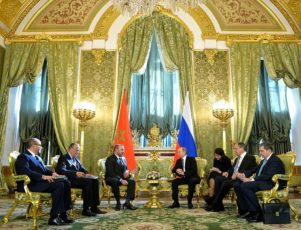
On Tuesday, March 15th, 2016, King Mohamed VI met with Vladimir Putin at the Kremlin and signed six binding agreements and several memorandums, framework agreements, and protocols that deepen ties between the two countries.

The agreements cover:

– Extradition between Morocco and Russia.

– Air services between the countries.

– Cooperation covering environmental protections and use of natural resources.

– Cooperation on sea fisheries.

– The promotion and reciprocal protection of investments.

– A mutual protection of classified information on military and military-technical matters.

– A Moroccan-Russian declaration on the fight against international terrorism.

The memorandums, framework agreements, and protocols cover an understanding on:

–  Cooperation in the field of energy.

–  Cooperation in geological research and exploration of the subsoil.

–  An understanding between the National Health Security Office of foodstuffs (ONSSA) of the Ministry of Agriculture and Maritime Fishing (Morocco) and the Federal Agency for Veterinary and Phytosanitary Surveillance (Federation Russia) plant health of plants and plant products.

– Joint action programs for 2016-2018 in the field of tourism.

– Cooperation between the Ministry of Endowments and Islamic Affairs of the Kingdom of Morocco and the Central Religious Organization (Shura Council of Muftis of Russia).

– A framework partnership agreement with the National Foundation of Museums and the Museums of the Moscow Kremlin.

– And a protocol for the exchange of information on moving goods and vehicles between Morocco and Russia.

The two countries also stressed the need to strengthen global cooperation combating international terrorism and violent extremism.

The two country’s Declaration on their deeper strategic partnership also called for strengthening the central role of the United Nations in its fight against global terrorism, transnational organized crime, criminal corruption, and other challenges.

Read more

Businessman Patrice Talon elected President of Benin

Comments (0) Africa, Featured, Politics

Benin’s two-round Presidential election concluded on March 20th with the election of businessman Patrice Talon.

The West-African nation of Benin concluded a peaceful, democratic two-round election on March 20th. Outgoing President Thomas Boni Yayi handpicked his successor, Prime Minister Lionel Zinsou, to run against a former ally turned nemesis, Patrice Talon. This election is notable for several reasons: unlike other African leaders, Boni Yayi did not alter Benin’s constitution in order to remain in power past the two-term limit; Zinsou conceded defeat to Patrice Talon on March 20th after winning the March 6th first-round election, and the election was free from violent protests and uprisings.

Benin’s Landscape

A former French colony, Benin has not followed an easy path to democracy. Despite the challenges of post-colonialism (including a decade-long-stint as a Marxist state, interspersed with bouts of intense unrest and violence), Benin has managed to rise above its neighbors, proving that it is committed to free and fair elections. The fact that President Boni Yayi left power at the end of his two-term appointment is in itself remarkable: many of Benin’s neighbors have struggled to depose rulers who are desperate to cling to power past their time.

Perhaps even more impressive than President Boni Yayi’s peaceful exit is the concession by his chosen successor, Lionel Zinsou. The ruling party candidate and current Prime Minister, Lionel Zinsou faced challenges in his candidacy. Having spent the majority of his life outside of Benin, Zinsou struggled to overcome the perception that he was an outsider in his own country, and that his lack of experience on-the-ground in Benin would hinder his ability to make informed choices for the country. It seemed as though he had proved his worth as a Beninese on March 6th, when he won the first round of elections, but Talon ultimately prevailed.

The Gloves Came Off

Between the first election cycle and the second, Benin’s first-ever presidential debate took place. Talon used this opportunity to outline his vision for Benin, and to launch a litany of personal attacks against Zinsou’s lack of experience in Benin and the likelihood that Zinsou would only continue his predecessor’s policies that had “created a banana republic…[and] become the laughing stock of the world.”

Talon’s platform was centered around his rise to fame and fortune despite his small beginnings. Born in the small coastal town of Ouidah, Talon rose to become a key figure in Beninese business, even bankrolling Boni Yayi’s successful 2006 and 2011 campaigns. Talon’s fortune came through his agricultural business investments, primarily in cotton. After completing his university education in Senegal, Talon moved to France to pursue a career in international business. In 1985, he founded the Inter-Continental Distribution Company (SDI), which provides agricultural inputs like fertilizers and herbicides, to cotton farmers in Benin, Burkina Faso, Togo and other West African nations. Talon profited handsomely from the World Bank driven economic liberalization of the 1990s, winning production and manufacturing licenses for cotton ginning within the country.

A Man Made Through Cotton

It was through cotton that Talon made himself known in politics. Talon formed a relationship with the then-communist-government-owned sugar company, SAVE. Through this connection, communist politicians recognized his potential value as a business ally, and when the country moved to a multi-party state in the 1990s, Talon was able to preserve his friendships within the new government. In 2008, then-President Boni Yayi awarded Talon rights to a total of 15 out Benin’s total 18 cotton ginneries, making the cotton industry a near monopoly.

Boni Yayi

Boni Yayi

Once a close friend an ally of President Boni Yayi, Talon lost favor with the President after being accused of plotting a coup and, later, masterminding a plot to poison the President. Talon fled to France in exile before a Presidential pardon in October, when he returned to Benin, ostensibly in preparation for the election.

The Challenges Ahead

The election of President-elect Talon marks the third truly democratic election in the nation’s turbulent history. Having fought against the odds and being elected to the highest office in the country, Talon has even bigger challenges to face as President.

With his experience in the agricultural and cotton industry, it seems logical that Talon would focus on making these industries sustainable while working to diversify the economy–40% of Benin’s GDP is dependent upon cotton. Talon knows that he has a tough job ahead: he has already voiced his desire to tackle youth unemployment, reduce corruption in politics and business, and improve the health and education for the 10.6 million citizens he now represents.

Read more

Africa 2016 Forum on Investment

Comments (0) Africa, Featured, Politics

africa 2016 forum

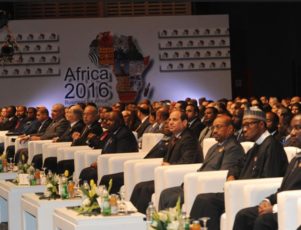
On February 20th and 21st, the Africa 2016 Forum took place at Sharm el-Sheikh, Egypt to address possibilities of investment and cooperation between African nations.

In an effort to boost international and regional trade and investment among African nations, Egypt hosted the Africa 2016 Forum in Sharm el-Sheikh over two days (February 20th-21st), the largest to have taken place in the area. Egyptian president, Abdel Fattah al-Sisi is hoping to strengthen ties with the county’s southern neighbors to fortify Egypt’s own economy while supporting those of their African counterparts and further co-operations, investments and business strategies were discussed at length as well as push the balance of trade to induce a more cultivated economy.

There were 5 African leaders who participated on the panel for the conference: Teodoro Obiang, President of Equatorial Guinea, Hailemariam Desalegn, Prime Minister of Ethiopia, Ali Bongo Ondimba, President of the Gabonese Republic, Muhammadu Buhari, President of Nigeria and Omar al-Bashir President of Sudan.

There was an impressive attendance of government leaders, heads of state, business investors and promoters, as well as heads of international organizations. There were 1500 delegates in total covering a variety of key sectors including energy, ICT, financial services, trade, agribusiness, pharmaceuticals and health.

What This Means for Egypt

With such an impressive turnout, Egypt is able to act as a catalyst for the continent. They have upwards of U.S. $8 Billion invested in Africa already and trade has risen by U.S. $5 billion. Al-Sisi is of course, looking for investment opportunities for Egypt but also to protect itself from the growth going on around them.

Ethiopia is constructing a damn on the Nile River which threatens Egypt’s water security- a resource pertinent to their agricultural economy, and one that, up until now, they were permitted unlimited access. The topic was discussed but the finer details remain unforeseen.

Ambassador Hazem Fahmy, head of the Egyptian Agency of Partnership for Development stated, “We have a lot of catching up to do, this is a start.

Investment Opportunities

The conference also aims to connect the other nations; it had provided at platform for further investment opportunities for countries in the region, the rest of Africa and even internationally. President Sisi is aiming heavily for investment in education; he said “Young people are the focus of economic and legislative reforms that will accelerate investment”, and that “Crossing into the future requires taking into account the advancement of technology and paving the way for generations that have the capability to face current challenges”.

There are large projects in both the public and private sector with huge investment opportunity. The conference itself attracted investors which led to negotiations on business plans and investments throughout the conference. For example, Ahmed Heikal, founder and chairman of Qalaa Holdings discussed the possibilities of investment in the East African Rift Valley Railways and U.S. $3.7 billion refinery project in Egypt. In addition, the Tripartite Free Trade Area and the Suez Canal Hub were topics of discussion. No specific figures were released but agreements in the sectors of health, infrastructure and information technology took place.

Increased communication and co-operation

It is no surprise that the consensus of the Africa 2016 Forum was further unified and shard goals when it comes to looking ahead into Africa’s future. It was agreed that there should be vital focus on human capacity and social development. The President of Equatorial Guinea, Teodoro Obiang Nguema pointed out the importance of integration between African countries, saying it is “the key point for our development”.

The policy makers need to work together with leaders and investors so they can see clearly the steps that need to be taken in order to optimize investment opportunity with current markets.

The African economy is growing and is expected to reach 5% in 2017, according to Akinwumi Ayodeji Adesina, President of the African Development Bank. Ethiopia’s growing economy is within the top 5 in the world and who’s Prime Minister stated at the conference “Today in our globalized world no country can achieve development in isolation”.

The result of the conference will hopefully not only break some of the national barriers and restrictions in Africa but also contribute to Africa’s presence within the Global Economy.

For the closing words, Hazem Fahmy, the Secretary General of the Egyptian Agency of Partnership for Development in the Ministry of Foreign Affairs said “One hand alone cannot clap”, showing the importance of the co-operation of African countries.

Read more

Kenya aims to cut 50 bil shillings from net 2015/16 spending

Comments (0) Africa, Latest Updates from Reuters, Politics

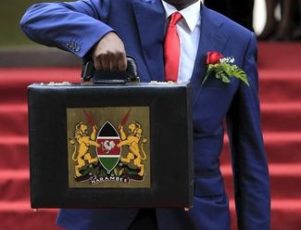
NAIROBI (Reuters) – Kenya’s Treasury has sent parliament supplementary spending plans for the fiscal year ending in June that introduce net cuts of about 50 billion shillings ($493 million), the finance minister told Reuters on Thursday.

The government had forecast a budget deficit of 8.7 percent of gross domestic product for 2015/16, which unnerved investors. Draft figures released in February showed a revised 2015/16 deficit of 8.1 percent, falling to 6.9 percent in 2016/17.

Finance Minister Henry Rotich said in a short telephone interview that the supplementary figures sent to parliament had increased spending in some areas, such as security, but these were outweighed by cuts elsewhere.

“We are increasing spending in some areas and cutting in others but, overall, cuts are more than increases, so we have a net cut of around 50 billion (shillings),” he said.

President Uhuru Kenyatta’s political coalition dominates parliament and is expected to back the revised numbers.

When the 2015/16 budget was announced last year, expenditure including interest payments was forecast at a little over 2 trillion shillings. The International Monetary Fund has urged the government to narrow the deficit. [nL5N16N0KK]

Rotich said last month that the government would cut net domestic borrowing for 2015/16 by a quarter to 168.2 billion shillings as a result of spending cuts prompted by sluggish revenue collection.

($1 = 101.3500 Kenyan shillings)


(Reporting by Duncan Miriri; Editing by Kevin Liffey)

Read more

What do reformist gains in Iran elections mean for business?

Comments (0) Featured, Middle East, Politics

iran elections

Surprise Iranian election result endorses President Hassan Rouhani’s economic reforms.

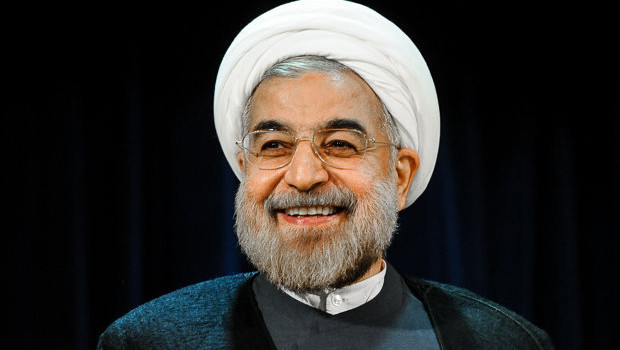
On February 26th, Iranians headed to the polls and handed moderates and reformists a surprise victory. The result also signaled the endorsement of President Hassan Rouhani and his more moderate agenda and economic reforms, such as his recently negotiated nuclear deal and his moves to engage with the West.

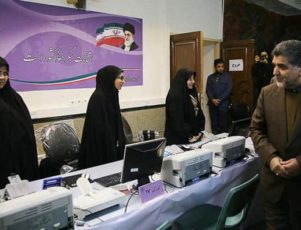
Iranians were voting to decide who sits in the powerful 88-seat constitutional council, the Assembly of Experts, and the 290-seat Iranian Parliament. The Interior Ministry reported that the final count in the parliamentary elections gave reformists 85 seats and moderate conservatives 73, meaning the two blocks, who put their differences aside to run on the same platform, now hold a 54% majority over hard-liners. Iran’s moderates also won a majority in the Assembly, receiving 52 seats, or a 59% majority, bringing to an end more than a decade of conservative domination. In a vote of confidence, President Hassan Rouhani and one of his leading allies, former President Ali Akbar Hashemi Rafsanjani, also retained their seats, while two prominent hardliners lost theirs.

The main role of the clerical Assembly of Experts is to choose the Supreme Leader, the head of state who sits above the president. Current Supreme Leader, 76-year-old hardliner Ali Khamenei, is reportedly ill, meaning it is likely the Assembly voted in by this election will pick the next Supreme Leader. If a reformer or moderate is elected, Iran could see significant change.

However, although this election gave moderates their most dramatic gains in a decade, there have been arguments that the victory is not as reformist as some claim. The running lists were both heavily pruned by the Guardian Council before the vote, with all but 166 rejected of the 801 individuals who put themselves forward as candidates for the Assembly, and 5,200 of the 12,000 individuals registered to run for the Parliament rejected. Nonetheless, with a 62% turnout, this election will be seen as a blow to hardliners and as evidence of a desire for change.

The economy at the heart of the elections

The economy seems to be at the heart of these election results. Iran has been suffering double-digit unemployment and inflation for much of the past decade. Sanctions have cost the country between 15-20% of GDP. And many of its brightest minds have deserted the economy, as 300,000 Iranians moved abroad between 2009 and 2013. A reformist victory suggests that Iranians have had enough of economic pain and are ready to endorse Rouhani’s economic reforms.

Rouhani intends to strengthen the private sector by tackling corruption, welcoming foreign investors, and developing trade with the West. Indeed, since taking office in 2013, more than 120 foreign business delegations have visited Iran in search of business opportunities. And just last month, February 2016, Chinese President Xi Jinping made a poignant visit to the country to discuss increasing trade and signing several agreements. Rouhani has also travelled to Europe to drum up foreign investment, meeting Matteo Renzi in Rome and Francois Hollande in Paris, where he left with $30 billion in deals. Rouhani has also previously said that he hopes to develop tourism into a $30 billion-a-year industry by 2025.

Several deals have also been negotiated recently. Boeing has been given special clearance to sell to Iran, and General Electric is hoping to be offered the same benefit soon. In January, Iran signed an agreement to buy 118 Airbus jets worth $27 billion. And Iran’s Khodro and France’s Peugeot have signed an agreement to build cars.

His negotiation of the nuclear deal in January which lifted sanctions allowing Iran to once again export oil, was also a very clear message of intent. The country now plans to export an additional 1 million barrels a day this year, low prices or not, which will offer a boost to Iran’s economy. And it is also highly likely that foreign firms will start bidding on Iran’s oil fields, bringing the country more modern techniques.

Rouhani

Rouhani

Comparatively fewer restrictions on economic reforms

Moving forwards, analysts believe that these election results will offer Rouhani comparatively fewer restrictions on economic reforms and in making the country more attractive to foreign firms looking for a piece of the relatively untapped market of 77 million consumers. Analysts expect that Rouhani will find it easier to push through legislative reforms and address issues crucial to the business sector such as the commercial code, labor laws, and stock market regulation. They cite the expectation that hardliners will now focus their diminishing political power on social and cultural conservatism.

Analysts have also commented that the positive public opinion will also be significant. These election results offer a symbol to the rest of the world that Iranians themselves are more favorable towards trade and commerce with the West and America, and that in turn could encourage foreign businesses to make longer-term investments.

Of course, the elections do not leave Rouhani without restrictions. Supreme Leader Ayatollah Ali Khamenei, who is strongly against the expansion of civil liberties and freedoms, will still have the final say on matters of state, and the similarly conservative unelected clerical body, the Guardian Council, will continue to have the power to vet all laws. But it does seem that the winds of change may have begun to blow.

Read more

Morocco prepares to host global climate change conference

Comments (0) Africa, Featured, Politics

marrakech

More than 30,000 people are expected to attend the COP22 gathering in Marrakesh in November.

Morocco has begun preparations for COP22, the 2015 global climate conference, where African nations hope to see further action to help mitigate damage from climate change.

The event, expected to attract 30,000 attendees, will be held November 7 – 18 in Marrakech. Morocco recently appointed a committee, headed by Foreign Minister Salaheddine Mezouar, to guide logistical preparations.

The conference follows COP21 last November in Paris, where 195 participating countries produced a landmark agreement to reduce carbon emissions.

Repairing damage will be key issue

The upcoming conference is expected to focus on an issue of great importance to many African nations: Mitigation of damage already done by climate change and help adapting to a new environment.

Speaking at a recent “From COP21 to COP22” conference in Geneva, Helen Clark, administrator of the United Nations Development Program, said the next conference must drive mitigation efforts.

Following the Paris agreement, Clark said, agencies and governments must “scale up” initiatives to repair or reduce damage and help countries adapt to changing environmental conditions.

Clark said her agency would facilitate access to financial and technical resources along with other major global actors.

From decision to action

She said COP 22 in Morocco marks a transition from the consensus building and decision-making of Paris to a “COP of Action.”

Clark said that in addition to supporting development to reduce emissions, her agency will work with more than 100 countries to finance mitigation measures as well as strengthening disaster management work and linking it to climate change damage.

While Africa is the least polluting continent on the planet, it has suffered some of climate change’s most severe effects.

At the climate conference in Paris, African leaders emphasized the need for financial help to address losses in their countries.

Drought, flooding, erosion hit Africa

Southern Africa, including Mozambique, Botswana, Zimbabwe and South Africa has been hard hit by drought as have Ethiopia, Eritrea and Somalia in the Horn of Africa.

Drought has nearly emptied the Kariba Dam reservoir on the Zimbabwe-Zambia border, forcing power shortages and energy rationing.

At the same time, heavy rains, landslides and flooding have hit Burundi, Nigeria and Malawi.

In tiny Zanzibar, the rise of sea levels is salinizing the soil, making farming impossible. Zanzibaris have also seen rising temperatures, floods and increased sea waves.

Coastal erosion is emerging as a major threat in West Africa, where large shares of gross domestic products are associated with the sea, including fishing and tourism.

Financial help to mitigate damages and help countries adapt to a new and changing environment are expected to take center state at the Marrakech conference.

Morocco has ambitious plans to reduce emissions

Morocco hopes hosting the conference will also shine an international spotlight on its ambitious efforts to reduce its own reliance on greenhouse gas emissions with its pledge to reduce them by one third percent by 2030.

Morocco plans to increase the share of renewable energy to 42 percent by 2020 and to 52 percent by 2030. The country recently opened what is believed to be the world’s largest solar power plant near the city of Ouarzazate, about 120 miles southeast of Marrakech

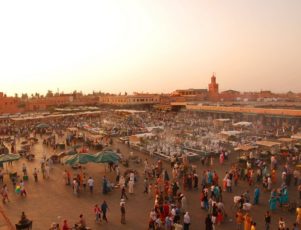
As preparations get under way, organizers have begun holding workshops to educate tour and hotel operators and discuss logistics in the city of about 1 million population is Morocco’s most popular tourist destination, known for its colorful markets. Marrakech hosted COP7 in 2001.

Read more

Finance minister says South Africa not on the path to austerity

Comments (0) Africa, Latest Updates from Reuters, Politics

JOHANNESBURG (Reuters) – South Africa’s recent budget was not aimed at implementing austerity measures and would not go the same path taken by some countries in Europe, the finance minister said on Thursday.

Gordhan’s pledge to narrow the budget deficit to 2.4 percent of GDP by 2018/19 was aimed at placating ratings agencies that had warned of downgrades.

“We are nowhere near austerity. We haven’t cut anybody’s pension, we haven’t raised the retirement age, haven’t cut any jobs in the public sector. Austerity as it was applied in parts of Europe is not what we are trying to do here,” Finance Minister Pravin Gordhan said at a business conference.

On the reported dispute between himself and the South African Revenue Service commissioner Tom Moyane, Gordhan said the dispute would be resolved in due course.

The two men have clashed amid a probe into a unit which allegedly operated unlawfully in the department under Gordhan’s watch during his previous stint as commissioner.

South Africa’s rand currency fell nearly 4 percent on Friday, its biggest daily loss since 2011, after Gordhan said there were attempts to discredit him and the integrity of the Treasury through the investigation.

The investigation also led to media reports of a fallout between Gordhan and Zuma, which both men have dismissed.

“I will stick to my job and do the best I can,” Gordhan said.

Gordhan said Treasury officials would meet investors in London, Boston and New York next week in a non-deal roadshow meant to clarify South Africa’s economic plans.

“(We will) explain the budget to them and the kind of direction that we want to go in,” Gordhan said.


(Reporting by Olivia Kumwenda-Mtambo; Editing by James Macharia)

Read more

Data shows decline in governance in 21 African nations

Comments (0) Africa, Featured, Politics

Ghana

10 countries see improvement in their political systems and Mauritius, Cabo Verde and Botswana are the top rated.

Africa has seen scant improvement in national governance in recent years and more than a third of its 21 nations saw declines in the quality of their civic systems, according to a comprehensive index established by a Sudanese philanthropist.

The overall average for the continent increased by only 0.2 points to 50.1 out of a total of 100 possible points between 2011 and 2014, according to the Ibrahim Index of African Governance. The index also showed a decline of more than two points in the area of economic opportunity.

Twenty-one countries, including five of the top ten nations, have experienced deterioration of government performance since 2011 while only 10 countries registered improvement.

The index revealed significant gaps. Mauritius was the top-rated nation with a score of 79.9; war-torn Somalia had the lowest with a score of only 8.5. Regionally, Southern Africa had the highest rating for governance at 58.9. Central Africa had the lowest, 40.9.

Index assesses safety, business climate

The annual index is produced by the foundation of Sudanese telecom billionaire Mohamed Ibrahim, who is known for fighting corruption. Launched in 2006, it evaluates governance in each of 54 African countries based on 93 indicators that fall into four broad categories: safety and rule of law, human development, participation and human rights, and sustainable economic opportunity.

The top 10 countries, with their ratings in parentheses, are: Mauritius (79.9), Cabo Verde (74.5) Botswana (74.2), South Africa (73), Namibia (70.4), Seychelles (70.3), Ghana (67.3), Tunisia (66.9), Senegal (62.4), and Lesotho (61.1).

Mauritius, Cabo Verde, Botswana, Seychelles and Ghana, saw ratings declines while the other five countries improved.

Other countries that showed improvement were: Ivory Coast (48.3), Morocco (57.6), Rwanda (60.7), Senegal (62.4), and Zimbabwe (40.4).

Ivory Coast shows most improvement

Ivory Coast was most improved with an increase of 8.4 points. The West African nation is emerging from years of civil war that was triggered by a disputed election in 2010 and left an estimated 3,000 people dead. Ivory Coast held successful democratic elections for president in 2015.

War-torn South Sudan, Mali and the Central African Republic posted the steepest drops in the ratings. South Sudan’s rating declined by 9.6 points to 19.9 out of 100. The Central African Republic’s rating decreased by 8.4 points to 24.9. Mali was down 8 points to a rating of 48.7.

Thousands have been killed or displaced in South Sudan as the government battled rebel forces since 2013. The United Nations has warned that nearly 25 percent of the population of South Sudan is in urgent need of food.

After years of civil unrest, Mali has been plagued by jihadist attacks targeting tourist locations. Islamist militants killed 20 hostages in November at a hotel in the capital of Bamako.

In the Central African Republic, hundreds have been killed and an estimated 35,000 people displaced since 2013, when a mostly Muslim group overthrew the government. Widespread accusations of human rights abuses by that group prompted formation of mostly Christian militias that have retaliated against Muslims.

Tanzania, Uganda among those with declines

These countries had also ratings declines of one point or more: Tanzania (56.7), Uganda (54.6), Mozambique (52.3), Gambia (50.5), Cameroon (45.9), Guinea-Bissau (35.7), and Libya (35.5).

Other countries whose ratings declined slightly (less than one point) were Benin (58.8), Malawi (56.7), Niger (48.4), Guinea (43.7), Equatorial Guinea (35.5), Eritrea (29.9).

Along with the Guinea-Bissau, Equatorial Guinea, Libya, Eritrea, Central African Republic, South Sudan, the bottom 10 included: the Democratic Republic of the Congo (33.9), Chad (32.8), Sudan (28.3), and last-place Somalia (8.5).

The index also revealed striking differences across regions of the continent, from an average low of 40.9 points in Central Africa to a high of 58.9 points in Southern Africa. East Africa scored 44.3, North Africa 51.2 and West Africa 52.4 In addition to being the lowest rated, Central Africa was the only region where governance deteriorated, according to the index.

Business environment declines

In its four categories, the index showed that the sustainable economic opportunity indicators had the lowest average score for the continent, 43.2 points, a decline of 0.7 points from 2011. In particular, the index showed a decline of 2.5 points in “business environment,” which included a drop of 11 points in the sub-category of soundness of banks.

Four countries bucked the trend, showing gains of 5 points or more on economic opportunity ratings: Morocco, Togo, Kenya and Democratic Republic of Congo.

Ibrahim said that while the continent has made significant progress in the past 15 years, the latest results are cause for concern.

The 2015 index “shows that recent progress in other key areas on the continent has either stalled or reversed, and that some key countries seem to be faltering,” he said. “This is a warning sign for all of us. Only shared and sustained improvements across all areas of governance will deliver the future that Africans deserve and demand.”

Read more

African Development Bank approves $1.1 billion in loans to Tanzania

Comments (0) Africa, Latest Updates from Reuters, Politics

DAR ES SALAAM (Reuters) – The African Development Bank (AfDB) has approved a loan package worth $1.1 billion to Tanzania to be paid out over five years to fund infrastructure projects and improve public sector governance, it said.

The line of credit will be used primarily to support the transport and energy sectors and improve the business environment in east Africa’s second-biggest economy.

The loans would support “transport and energy to promote domestic and regional transport connectivity and improve access to reliable, affordable and sustainable electricity,” AfDB said in a statement late on Thursday.

“The second pillar prioritises strengthening of financial management and improving the enabling environment for private sector investment and finance for sustainable job creation.”

The government plans to spend $14.2 billion to construct a new standard gauge rail network in the next five years financed with external loans. It also plans to build a new $10 billion port at Bagamoyo, expand existing airports and invest in new roads.

Tanzania, like its neighbour Kenya, wants to profit from its long coastline and upgrade existing rickety railways and roads to serve growing economies in the land-locked heart of Africa.

Tanzania boasts economic growth of 7 percent a year, yet it is largely driven by state investment and poverty remains stubbornly high.

It also has natural gas reserves that are estimated at more than 57 trillion cubic feet (tcf) and the central bank believes 2 percentage points would be added to its annual economic growth simply by starting work on a plant to process that would draw in billions of dollars of investment.

“Board members underscored the need for Tanzanian authorities to ensure that the country’s high GDP growth delivers robust economic transformation, poverty reduction and improved livelihoods,” AfDB said.


(Reporting by Fumbuka Ng’wanakilala; Editing by Toby Chopra)

Read more

IMF reviews Zimbabwe economy, eyes first new financing since 1999

Comments (0) Africa, Latest Updates from Reuters, Politics

HARARE (Reuters) – The International Monetary Fund (IMF) has started talks with Zimbabwe’s government to review its economic performance, stepping up engagement as Harare seeks a financial aid package after years of isolation.

President Robert Mugabe’s government started defaulting on debts to the IMF, World Bank, African Development Bank and several Western lenders in 1999 – leading to a freeze in IMF assistance – and is struggling to emerge from a catastrophic recession that ran for a decade until 2008.

Without balance of payment support or foreign credit, Zimbabwe is running its budget hand-to-mouth, leaving it with virtually no money for infrastructure.

With formal unemployment above 85 percent, Zimbabwe has since December 2013 softened previously sacrosanct policies in the hope of gaining fresh loans. [nL8N12L1Q0]

At the same time, Western countries have eased sanctions imposed over alleged human rights abuses and vote fraud, looking beyond the rule of the 92-year-old Mugabe, Zimbabwe’s sole leader since independence in 1980.

An IMF team met government representatives on Wednesday under the final phase of a Staff Monitoring Programme, Christian Beddies, the IMF representative in Zimbabwe, told Reuters.

The team will also meet central bank officials and local business leaders before March 10.

“The team is also doing the annual Article IV consultation, which is an important ingredient in the re-engagement process,” Beddies said.


TARGETS MET

Zimbabwe started the SMP – an informal agreement with the IMF to monitor implementation of its economic reforms – in December 2013, and has met its targets.

These include softening provisions of its black empowerment law to attract foreign investment, making it easier for firms to lay off workers, and improving government financial accountability.

A senior treasury official said Zimbabwe hoped to begin negotiations this year on new financial aid, which will require it to tackle difficult reforms such as cutting the state wage bill, 82 percent of the national budget.

A parallel programme to clear $1.8 billion in external arrears would also be undertaken. [nL8N129142]

“We are working on the structure of a new financing programme from the IMF and we will soon present to them a country strategy paper on this and the economic reforms that will support the programme,” said the treasury official, who is involved in discussions with the IMF.

The worst drought since 1992 has left 3 million people facing hunger and Zimbabwe has appealed for nearly $1.6 billion to help pay for grain and other food. [nL8N15O44B]

Zimbabwe says it expects growth of 2.7 percent this year after 1.5 percent in 2015, but the World Bank says the economy will stagnate due to drought and weak commodity prices. [nL8N15I3CV]

Beddies has already said the IMF might resume aid to Zimbabwe this year if foreign creditors accept its plans to clear arrears and implement economic reforms. [nL5N11R2YV]


(By MacDonald Dzirutwe. Editing by James Macharia and Kevin Liffey)

Read more